

6 Archaeological Discoveries to Add to Your Holy Land Tour in 2027
What if the land of the Bible still had new things to show you?
There is something special about standing in a place you have read about your entire life. A passage of Scripture that once felt familiar can take on a whole new meaning when you find yourself surrounded by the landscape, history, and places where these events unfolded.
And even after more than 50 years of guiding travelers through Israel, we continue to discover new things about this remarkable land.
Archaeologists are uncovering ancient streets, restoring historic sites, and revealing details about the world of the Bible. These discoveries give us a deeper understanding of the people who lived here, the places they walked, and the historical setting of the stories we know so well.
If you are considering a Holy Land tour in 2027, here are a few remarkable places to add to your itinerary.
1. The Sea of Galilee: Discover a First-Century Fishing Boat
The Sea of Galilee is one of those places that stays with you long after your visit. From the peaceful waters to the hills surrounding the shoreline, it is easy to understand why this region played such an important role in the ministry of Jesus.
At Kibbutz Ginosar, just north of Tiberias, you can visit the Yigal Alon Museum, home to an extraordinary archaeological discovery: a wooden fishing boat dating to approximately the first century BCE through the first century CE.
Discovered in the lakebed in 1986, the boat offers a rare glimpse into everyday life around the Sea of Galilee during the time of Jesus. While we cannot know who sailed in this particular vessel, it provides a tangible connection to the fishing communities described throughout the Gospels.
Imagine reading about Jesus calming the storm or calling His disciples to follow Him, and then standing before a boat built in the very period when these stories took place.
Sometimes, it is the simplest discoveries that make the biblical world feel closer than ever.
2. Magdala: Walk Through a First-Century Synagogue
Along the western shore of the Sea of Galilee lies ancient Magdala, traditionally associated with Mary Magdalene.
Excavations at the site have uncovered a first-century synagogue, offering a fascinating glimpse into Jewish life during the Second Temple period. Among the most remarkable discoveries is the Magdala Stone, a carved stone decorated with a seven-branched menorah. Researchers consider it one of the earliest known depictions of the Jerusalem Temple menorah from this period.
Standing at Magdala gives visitors an opportunity to explore the world in which Jesus and His contemporaries lived and worshiped. The synagogue, its stone floors, and the surrounding remains help bring the historical setting of the Gospels into focus.
The archaeological evidence tells us about the community that lived here, while the site’s traditional associations invite pilgrims to reflect on the people and events connected to the Gospel narratives.
For anyone visiting the Galilee, Magdala is a meaningful stop that combines history, archaeology, and faith.
3. Jerusalem: Walk the Ancient Pilgrimage Road
Jerusalem is a city where history seems to unfold at every turn. Beneath its modern streets, archaeologists continue to uncover remains that reveal how people lived, traveled, and worshiped thousands of years ago.
One particularly fascinating discovery is the ancient Pilgrimage Road, a stepped stone street that once connected the Pool of Siloam with the area of the Temple Mount.
During the great Jewish festivals, pilgrims traveled these streets as they made their way toward the Temple. Today, visitors can explore accessible sections of the ancient route and see archaeological remains, including shops and drainage channels, that offer a glimpse into life in Jerusalem during the Second Temple period.
The Pool of Siloam is also closely connected to the Gospel of John. In John 9:1–7, Jesus sends a man born blind to wash in the pool, where he receives his sight.
Walking through this part of Jerusalem gives you a better sense of the city’s scale and activity during biblical times. It is one thing to read about the crowds traveling to Jerusalem for a festival. It is another to walk along an ancient street and imagine the movement of pilgrims making that same journey centuries ago.
Jerusalem has many layers of history, and exploring them helps us appreciate the rich historical setting of Scripture.

4. The City of David: Explore Jerusalem’s Ancient Roots
For those who want to discover Jerusalem beyond its familiar landmarks, the City of David offers a fascinating journey into the city’s earliest history.
This archaeological site, located just south of the Temple Mount, contains remains from different periods, including Bronze Age settlements, Iron Age fortifications, and structures from the Second Temple period. As excavations continue, new sections and discoveries add to our understanding of ancient Jerusalem.
The site is also home to Hezekiah’s Tunnel, an extraordinary engineering achievement dating to the eighth century BCE. Described in 2 Kings 20:20, the tunnel was carved through bedrock to carry water from the Gihon Spring toward the Pool of Siloam.
The tunnel extends approximately 533 meters, and visitors can experience part of this remarkable feat of ancient engineering firsthand.
Walking through the narrow passage, with cool water around your ankles and stone walls rising on either side, is an experience unlike any other. It offers a vivid connection to the ingenuity and daily life of the people who lived in Jerusalem long before the time of Jesus.
For travelers interested in both the Old and New Testaments, the City of David is an important reminder of how much history is contained within this remarkable city.
5. Caesarea Maritima: Follow the Footsteps of the Early Church
On Israel’s Mediterranean coast lies Caesarea Maritima, the impressive port city built by Herod the Great beginning around 22 BCE.
With its harbor, Roman theater, aqueducts, and public buildings, Caesarea was one of the most ambitious construction projects of the ancient Mediterranean world. Today, its archaeological remains offer a glimpse into the political and cultural environment of the Roman Empire.
Caesarea also holds an important place in the story of the early church. The Book of Acts records several events involving the Apostle Paul in this city, including his imprisonment and hearings before Roman authorities (Acts 23:23–35; Acts 25:1–12).
As you explore the ancient streets and stand in the Roman theater overlooking the Mediterranean, it becomes easier to picture the world in which Paul traveled and shared the message of the Gospel.
For those interested in the journeys of the Apostle Paul, Caesarea offers a meaningful connection between the biblical narrative and the history of the Roman world.
It is also a wonderful reminder that the story of the early church unfolded in real cities, among real communities, within a world whose remains we can still explore today.
6. Nazareth: Discover Life in the World of Jesus
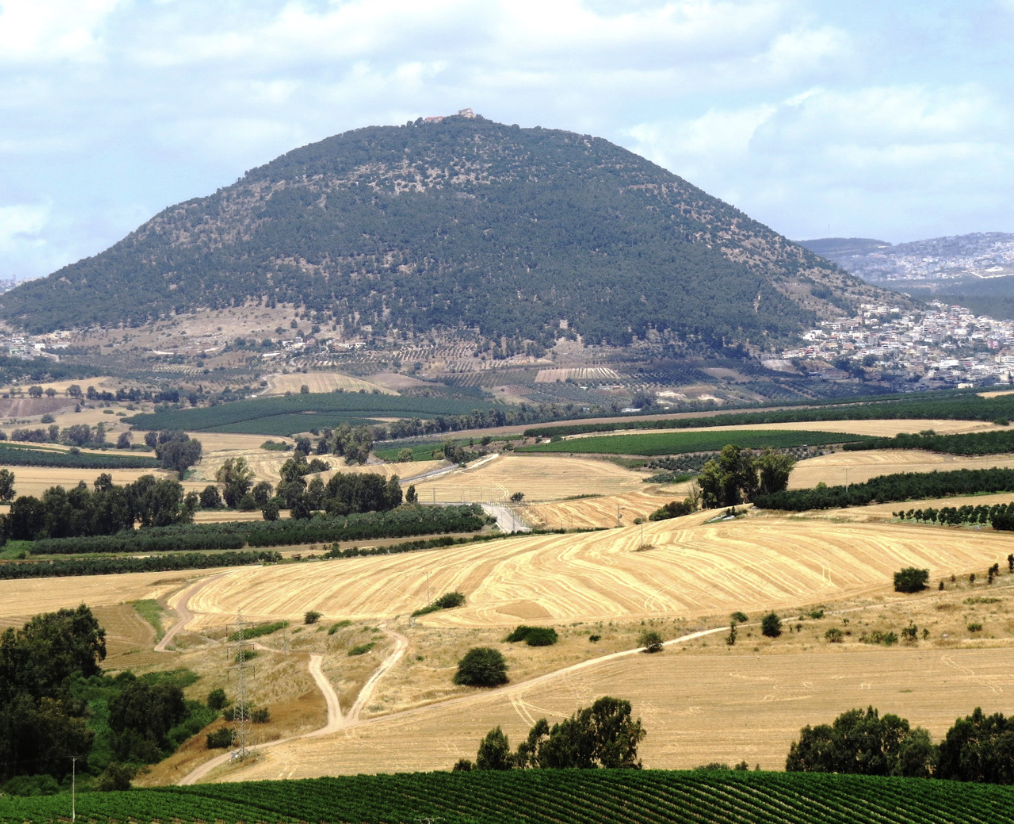
Nazareth may be best known as the town where Jesus grew up, but it also offers visitors an opportunity to learn more about everyday life in first-century Galilee.
Archaeological work in and around Nazareth continues to contribute to our understanding of the village during the Second Temple period. Although not all excavations are open to the public, the findings help researchers build a clearer picture of the homes, communities, and daily activities of the people who lived here.
One of the best ways to explore this historical setting is through Nazareth Village, an open-air museum that recreates aspects of first-century agricultural and domestic life using archaeological and historical research.
Walking through the village helps bring familiar Gospel passages into a more tangible setting. You can learn about traditional farming practices, household activities, and the kinds of work that shaped everyday life in Galilee.
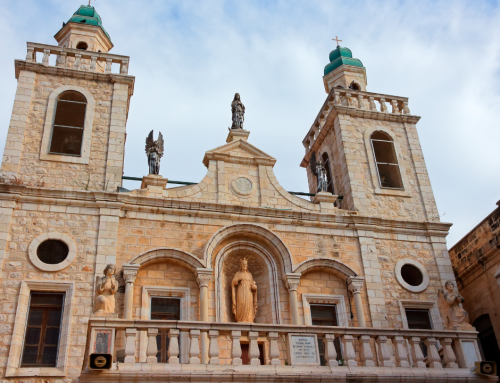
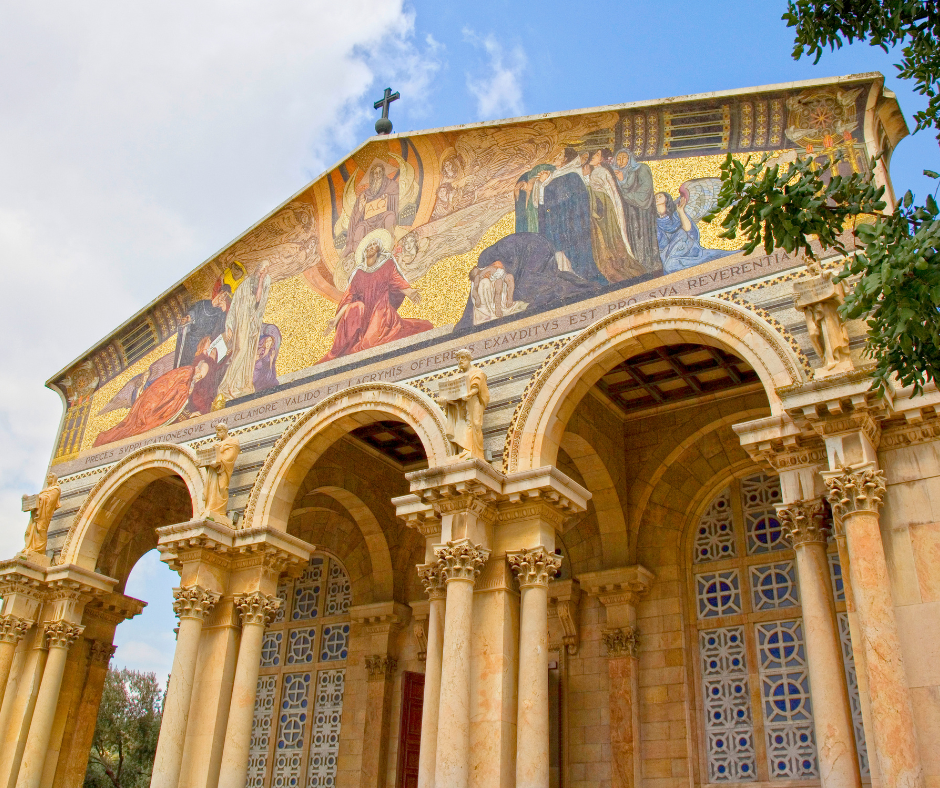
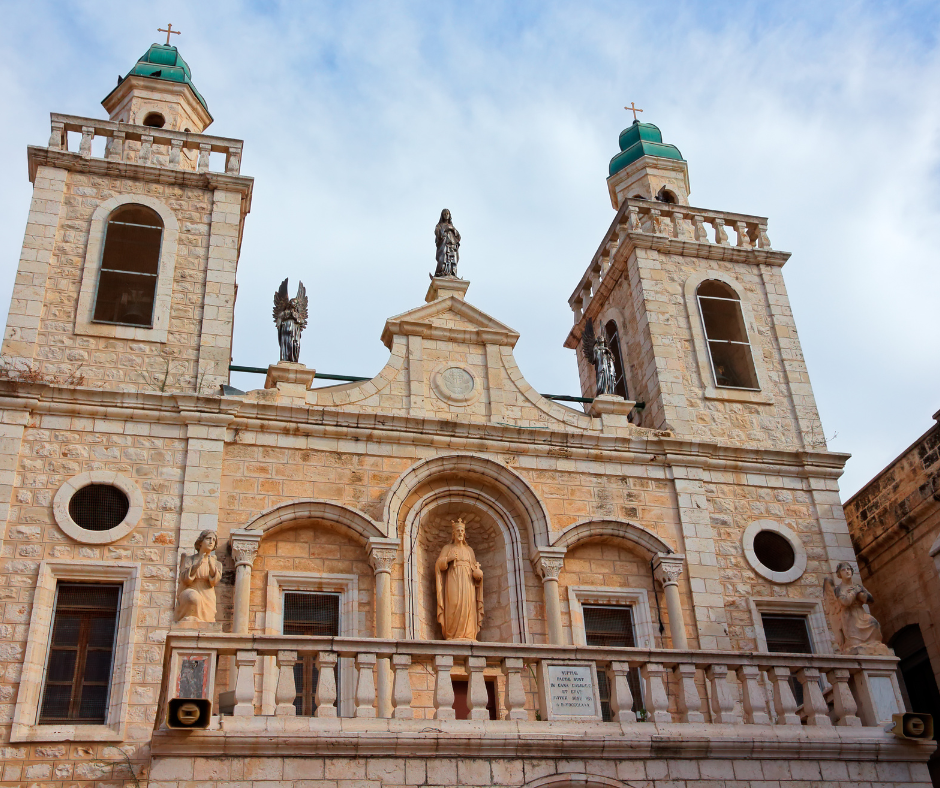
For Catholic pilgrims, the Basilica of the Annunciation is another important destination. Built over a site traditionally associated with Mary’s home, the basilica welcomes pilgrims from around the world who come to pray and reflect on the events surrounding the Annunciation.
Together, these sites offer a deeper appreciation of Nazareth, not simply as a place mentioned in Scripture, but as a community with a rich history and enduring spiritual significance.
Why Visit the Holy Land in 2027?
A journey through the Holy Land is about more than visiting famous landmarks. It is an opportunity to connect Scripture with the places, landscapes, and historical settings in which its stories unfolded.
Archaeological discoveries do not change the message of the Bible, but they can help us understand its world more deeply. An ancient fishing boat, a first-century synagogue, or a street once walked by pilgrims can offer a new perspective on passages we have read many times.
These are the moments that often stay with travelers long after they return home. They become part of conversations with family, discussions in Bible study groups, and personal reflections on faith.
And the discoveries continue. Archaeologists are still studying ancient sites, researchers are uncovering new details, and visitor experiences are evolving as our understanding of the past grows.
At Immanuel Tours, we believe that every journey should create opportunities to learn, reflect, and experience the land of the Bible in a meaningful way. With more than 50 years of experience, our team brings local knowledge and a deep understanding of Christian pilgrimage to every itinerary.
Plan Your 2027 Holy Land Tour with Immanuel Tours
Whether you are a pastor hoping to bring your congregation to Israel, an individual traveler looking to join a group, or a travel professional seeking an experienced local partner, we would love to help you plan your next journey.
Our team is based in Israel, and we continue to follow developments at the sites we visit so that we can help travelers discover both the familiar landmarks and the remarkable details that make each journey unique.
From the streets of Jerusalem to the shores of the Sea of Galilee, from Nazareth to Caesarea, there is always more to discover in the land of the Bible.
The places you have read about are waiting to be explored. Let 2027 be the year you experience them for yourself.
Start planning your Holy Land tour with Immanuel Tours and let our team help you create a journey your group will remember for years to come.