
Easter in Israel is celebrated with a unique blend of religious traditions, historical significance, and local customs. As the land where key events of the life, death, and resurrection of Jesus Christ took place, Israel holds a special place in the Christian faith during Easter. Here’s how it is celebrated:
1. Jerusalem: The Heart of Easter Celebrations
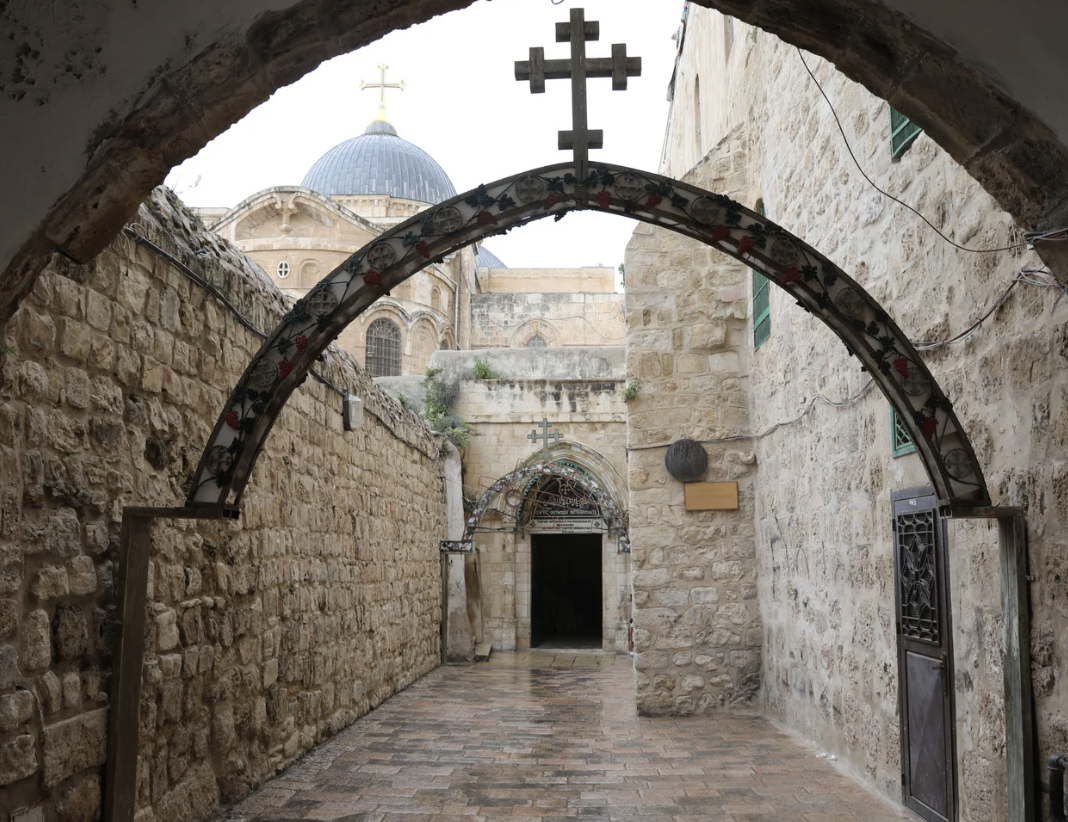
The city of Jerusalem is the focal point for Christian pilgrims worldwide, as it is home to key locations in the final days of Jesus’ life, including the Church of the Holy Sepulchre, the Garden of Gethsemane, and Via Dolorosa.
Palm Sunday: This marks the beginning of Holy Week, commemorating Jesus’ triumphant entry into Jerusalem. Pilgrims often participate in processions, re-enacting this event by walking along the Palm Sunday route from the Mount of Olives to the Old City.
Good Friday: Christians gather at the Church of the Holy Sepulchre to mark the crucifixion of Jesus. The Via Dolorosa (Way of Sorrows) is a key pilgrimage route, where people walk the path Jesus is believed to have taken while carrying the cross. The church is often packed with worshippers attending services, including the Veneration of the Cross.
Holy Saturday (Easter Vigil): The Holy Fire ceremony takes place at the Church of the Holy Sepulchre. It is one of the most significant rituals of the Eastern Orthodox Church, where the Patriarch of Jerusalem lights a flame in the tomb of Jesus, and this flame is distributed to the congregation. Pilgrims take this fire back to their communities.
Easter Sunday: The celebration of the resurrection of Jesus is observed with services held at various churches, especially at the Church of the Holy Sepulchre, where the Resurrection is celebrated with joy and procession.
2. Key Bible Passages Associated with Easter:
- Matthew 28:5-6: “The angel said to the women, ‘Do not be afraid, for I know that you are looking for Jesus, who was crucified. He is not here; he has risen, just as he said. Come and see the place where he lay.'”
- John 20:11-18: Mary Magdalene encounters the risen Jesus at the tomb. This passage is often read during Easter services, emphasizing the significance of the resurrection.
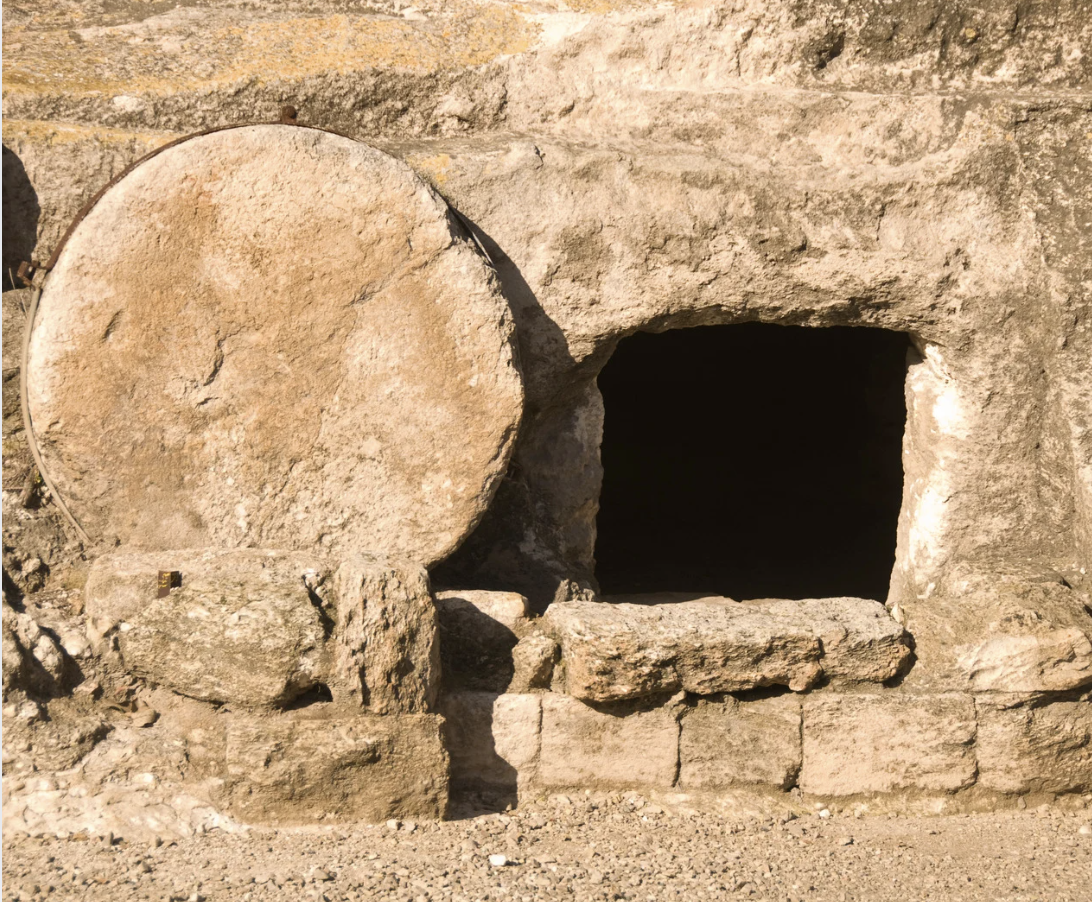
- Luke 24:1-12: The discovery of the empty tomb, where the women come to anoint Jesus’ body and are greeted by two angels who announce that He has risen.
- 1 Corinthians 15:20-22: “But Christ has indeed been raised from the dead, the firstfruits of those who have fallen asleep. For since death came through a man, the resurrection of the dead comes also through a man.”
3. Celebration in Nazareth and Bethlehem:
In addition to Jerusalem, two other major Christian sites in Israel also celebrate Easter with distinctive events:
Nazareth
In Nazareth, where Jesus grew up, local churches often hold processions and Masses. The Basilica of the Annunciation is a key location for Easter services. The city may also host cultural events, highlighting both religious and local traditions.
Bethlehem
Easter in Bethlehem is significant as it is the birthplace of Jesus. While the city is primarily known for Christmas celebrations, Easter is also observed with processions and services, especially at the Church of the Nativity, which marks the location of Jesus’ birth.
4. Pilgrimages and Special Masses:
Christians from all corners of the globe travel to Israel during Easter to experience the profound spiritual significance of the events that unfolded here. Pilgrims from Catholic, Eastern Orthodox, and Protestant traditions come together, yet each denomination brings its own unique customs and rituals to the celebration. Catholics often participate in the Stations of the Cross along the Via Dolorosa, while the Eastern Orthodox faithful observe the Paschal Vigil, lighting candles in the darkness of Holy Saturday night to celebrate the resurrection. Protestant groups may focus on scripture readings and hymns, with some even conducting outdoor services at key locations like the Garden Tomb. Despite the differences in practices, the central theme remains the same: the resurrection of Jesus Christ, which symbolizes hope, renewal, and victory over death. The shared experience of walking in the footsteps of Jesus, along with the communal worship of the resurrection, unites Christians from diverse backgrounds, creating a powerful and unifying atmosphere during Easter in Israel.
In Israel, Easter is not only a time for religious reflection but also a celebration of the Christian heritage that the country embodies. The combination of scripture readings, pilgrimages, and communal worship makes Easter in Israel a deeply meaningful and vibrant experience.
Contact us to for any questions you have about these sites and how you can include them in your Christian Tour to Israel!