
The Spiritual Landscape of Delphi
Delphi is an essential destination on your Christian tour of Greece, offering a unique opportunity to reflect on the ancient world’s spiritual practices and the transformative power of Christianity. As you explore this site, you’ll gain a deeper understanding of how Christianity reshaped the spiritual landscape. In the context of a Christian tour, visiting Delphi invites a reflection on how the ancient world longed for spiritual direction, which would later be fulfilled in the teachings of Christ.
Delphi and Christianity: A Site of Reflection
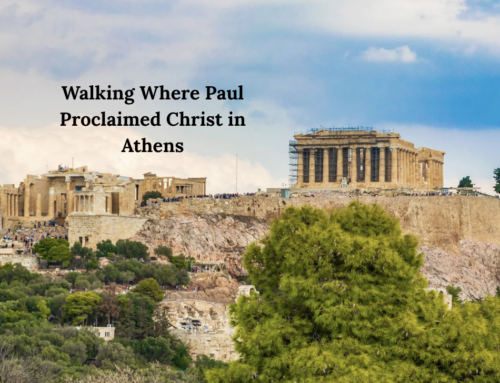
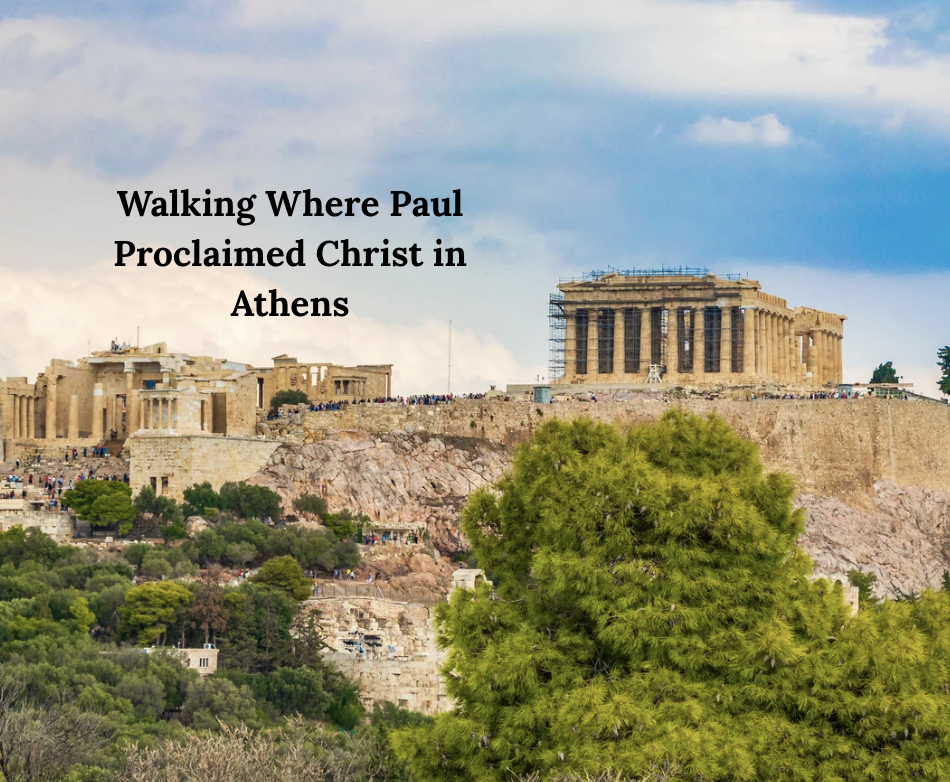
In the ancient world, the Oracle of Delphi was regarded as the ultimate source of divine wisdom, drawing kings and pilgrims alike to hear the Pythia speak Apollo’s will from her trance. The Apostle Paul, who traveled throughout Greece proclaiming Christ, engaged this very worldview directly—declaring to the philosophers of Athens a God who could be known personally rather than consulted through an oracle (Acts 17), and affirming to the Corinthians that “an idol is nothing at all in the world and that there is no God but one” (1 Corinthians 8:4–6).
Delphi’s own history bears this out: by the fourth century, tradition holds that the Pythia gave her final answer to an emperor’s inquiry—that Apollo’s house had fallen, his prophetic spring run dry—and within decades, Rome’s edicts formally ended pagan worship across the empire.
Standing among these ruins today, a Christian visitor can reflect on how thoroughly that ancient search for divine guidance was answered: not by a distant god relayed through a shrine and a trance, but by the Holy Spirit, who now dwells within and guides every believer who calls on Christ.
The Journey to Delphi: A Pilgrimage of the Heart
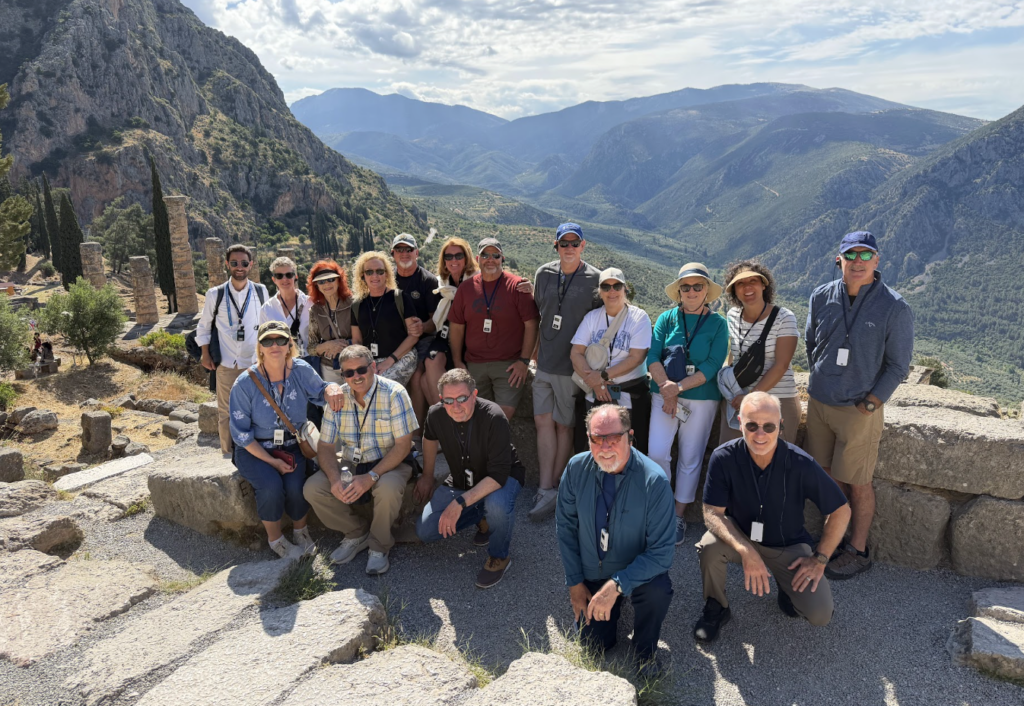
On your Christian tour, Delphi offers more than just an opportunity to witness the remnants of ancient history. It provides a pilgrimage for the heart, allowing you to reflect on the journey of faith and the way in which God speaks to His people. As you ascend the slopes of Mount Parnassus, where the Oracle was believed to reside, consider the journey of the soul that every Christian undertakes. Just as the ancient Greeks traveled to Delphi seeking answers to their questions, Christians today seek guidance and understanding through prayer, Scripture, and the presence of the Holy Spirit.
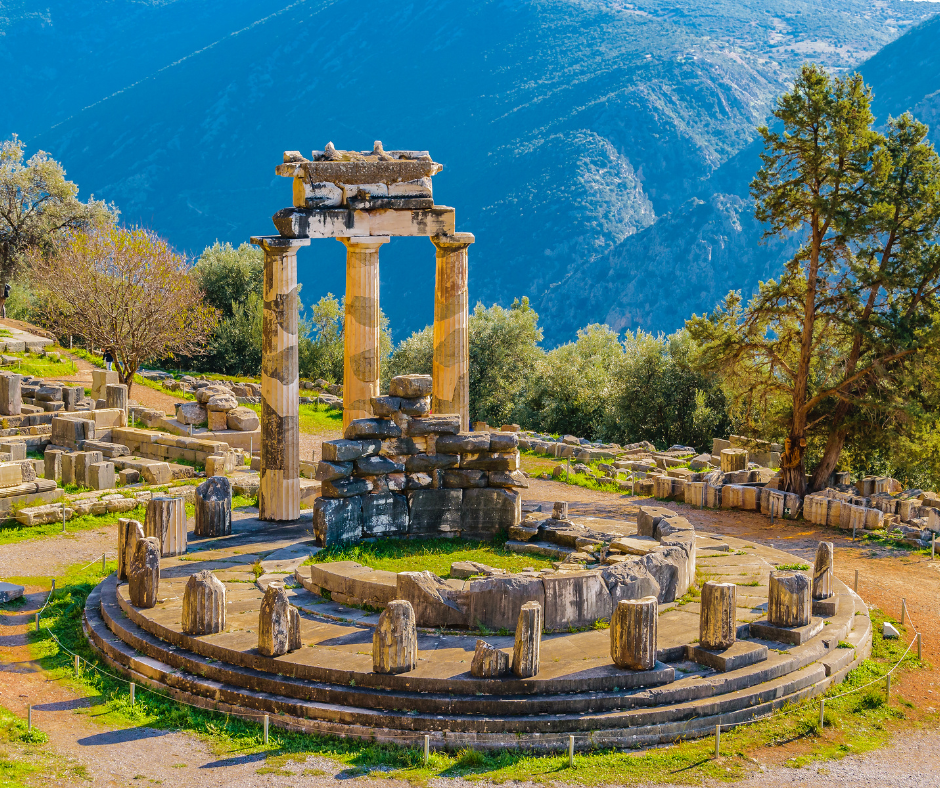
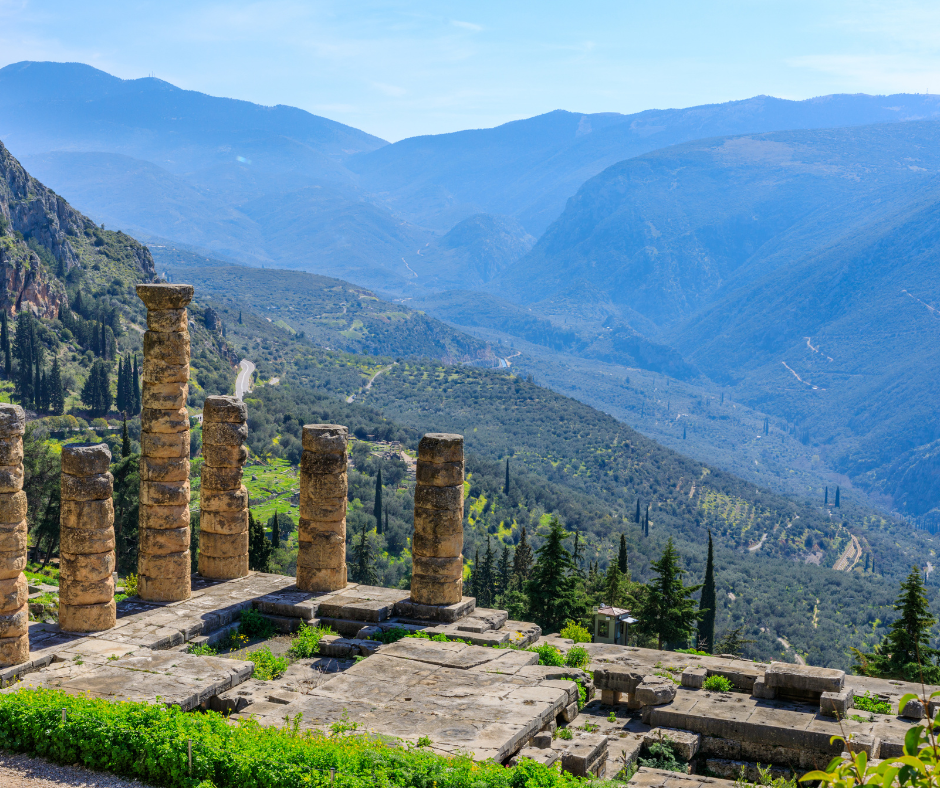
As you walk through the archaeological site, you’ll encounter the Temple of Apollo, where the Oracle once gave her prophecies. It’s a striking contrast to the Christian understanding of God, who does not speak through cryptic riddles or distant intermediaries, but directly to His followers through His Word and the person of Jesus Christ. The temple ruins invite reflection on how Christianity brought a new way of relating to God—one based on grace, love, and personal communion, rather than oracles and rituals.
Delphi and the Apostle Paul
Though the Apostle Paul did not directly visit Delphi, his journey throughout Greece offers important context for understanding the Christian significance of the region. His missionary travels took him to Athens, Thessalonica, and Corinth—cities within the same cultural and spiritual landscape as Delphi—where he confronted the religious practices of the ancient world and introduced a new message of salvation through Jesus Christ. In Acts 17, addressing the Athenians at the Areopagus, Paul declared that “the God who made the world and everything in it is the Lord of heaven and earth” and “is not far from each one of us” (Acts 17:24, 27)—a striking contrast to a shrine like Delphi, where worshippers believed they had to travel to one sacred site and pay a priestess to relay the words of a distant god. The connection runs deeper than geography: archaeologists excavating Delphi uncovered the Gallio Inscription, which dates the proconsulship of Lucius Junius Gallio to around A.D. 51–52. This is the same Gallio before whom Paul was hauled by his opponents in nearby Corinth (Acts 18:12), and the inscription—found on Delphi’s own hillside—gives scholars one of the firmest fixed points in all of New Testament chronology.
Delphi even lends its name to an episode in Paul’s ministry. In Philippi, Paul encountered “a slave girl having a spirit of divination” (Acts 16:16)—in Greek, a pythona, or “python spirit,” named for the serpent Apollo was said to have slain at Delphi before founding his oracle there; the Pythia, Delphi’s priestess, took her title from the same myth. Paul commanded the spirit to leave the girl in the name of Jesus Christ, “and it came out that very hour” (Acts 16:18). As you reflect on these passages during your visit to Delphi, consider how the Christian faith answered the deep spiritual longing the ancient Greeks expressed here—a longing for a god who could be reached and a truth that could be trusted, without an oracle standing in between.
Delphi on Your Christian Tour
A visit to Delphi offers a unique opportunity to reflect on the transformation of spiritual understanding from the ancient world to the Christian faith. Delphi serves as a poignant reminder of how Christianity has reshaped the spiritual landscape, offering direct access to God through Jesus Christ. Whether you are standing in the shadow of the Temple of Apollo or gazing at the breathtaking views of the surrounding mountains, Delphi invites you to reflect on the profound spiritual journey of the Christian faith—a journey that leads to God’s wisdom, guidance, and truth.
Do you hear the call?
Contact us today, visit our “Join a Tour” page, and let’s begin planning your unforgettable Christian tour to Greece in 2027.